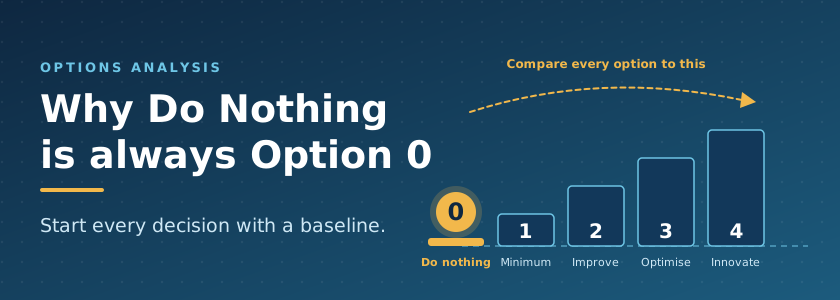
Every options analysis should start at Option 0: Do Nothing. It is the baseline that every other option is measured against, and it is the option most often left out. This is a bit of a longer article, because I have compiled a lot of my thinking to help with… Continue Reading Options analysis: why Do Nothing is always Option 0
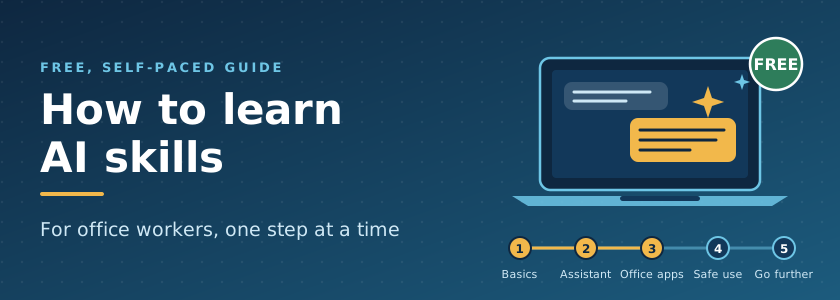
Most people learn to use AI by trial and error, and a lot of them do it with whatever free tool they found first. That works, up to a point. A little structured learning will get you better results, faster, and help you avoid the mistakes that cause real harm,… Continue Reading How to learn AI skills: a free, self-paced guide for office workers

How do you choose which technology to invest in? If you lead a technology team, it is the platform and the vendor. If you write software, it is the language and framework. If you are building a career, it is the vendor training and certifications you will spend your evenings… Continue Reading Which technology to use? It’s a gamble

When an AI system is deployed and then quietly withdrawn, the headline says “AI failed”. I think that is almost always the wrong conclusion. In most cases the technology did what it was built to do. What failed was the design, and the expectations set around it. We have seen… Continue Reading When AI gets withdrawn: a design problem, not an AI problem

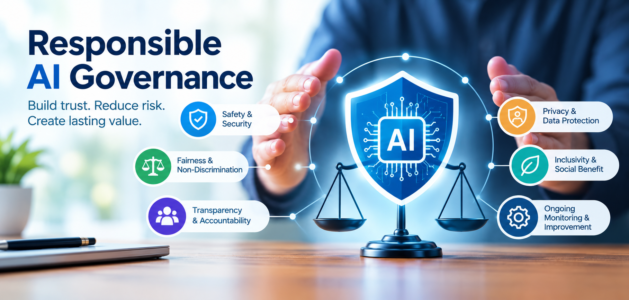
Ask most business leaders how to make AI responsible and the first answer is about technology: better models, better filters, better tools. In my experience the answer is closer to home. Responsible AI is mostly a governance job. It is about who is allowed to use AI for what, who… Continue Reading Responsible AI starts with governance: a practical guide for Adelaide businesses

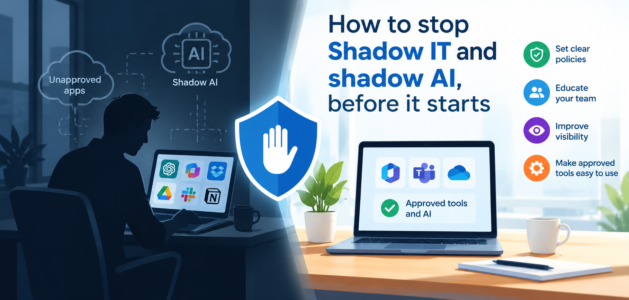
Shadow IT is rarely rebellion. It is a signal that someone has a problem to solve, and the official route did not solve it. I described what Shadow IT is, and what it costs, in Shadow IT / Stealth IT. This article looks at the other side: how to stop… Continue Reading How to stop Shadow IT before it starts

Every legacy system reaches a day when keeping it costs more than changing it. The skill is spotting that day before it arrives, and then choosing the right kind of change. Technical debt behaves like financial debt. A little, well managed, is a sensible trade-off. Left alone, the interest compounds:… Continue Reading Legacy modernisation: retire, retain, replace or evolve

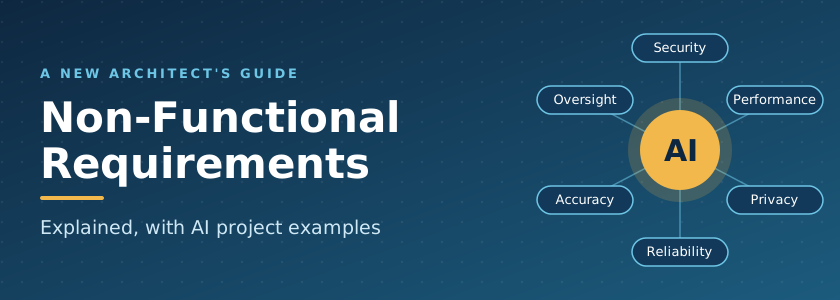
When a business asks for an AI solution, the request almost always describes what it should do. Summarise our emails. Draft our reports. Answer staff questions about policy. What it rarely says is how well, how quickly, how safely and at what cost. That second half has a name: non-functional… Continue Reading Non-functional requirements explained: a new architect’s guide, with an AI project example

Here is an interesting perspective to apply to your employees’ acceptance of AI in their work – consider AI is a junior work colleague that every employee has at their disposal. With the roll-out of new AI capabilities and agents, there is often push-back from employees who fear that their… Continue Reading AI is a junior colleague

AI is massive right now, and many businesses have had direction from their Board, CEO or other executives demanding that the business makes use of AI. Unfortunately, some are jumping in with two feet and not really planning their AI journey. So, the question remains, how to get started in… Continue Reading How to get started in AI

This article outlines a strategic roadmap for organisations beginning on their digital transformation journey. It walks through the key phases – assessment, goal setting, pilot testing, scaling and covering cultural change and compliance – offering insights into aligning technology adoption with long-term business objectives. It emphasises change management and stakeholder… Continue Reading Digital Transformation Roadmap: From Legacy to Innovation

Even with the gradual increase in cybersecurity literacy amongst the masses, there are still some myths that people follow religiously, even Cybersecurity professionals. I will set out to bust some of those myths here. Many of the myths have come from companies advertising products as a “silver bullet” solution, some… Continue Reading Cybersecurity Myths – changing passwords

Even with the gradual increase in cybersecurity literacy amongst the masses, there are still some myths that people follow religiously, even Cybersecurity professionals. I will set out to bust some of those myths here. Many of the myths have come from companies advertising products as a “silver bullet” solution, some… Continue Reading Cybersecurity Myths – I’ve got a firewall

Creation of good policies and procedures is an art that can be helped with some core advice. Policies are the backbone of how a business tells their employees how to act and react, and ensures consistency and productivity. A great company culture, a consistent vision and values, and compliance with… Continue Reading Creating good policies and procedures

On International Women’s Day, I am reminded of the need for diversity in the workforce, and want to pose the question of what does diversity mean to you? Diversity is not just the inclusion of other races, genders and backgrounds. More than just a blind quota of some interpretation of… Continue Reading What does diversity mean to you?

Terminology around privacy and security often will use the term “PII” – to refer to “Personally Identifiable Information”. However, PII in Australia is not a valid term – the definition by the OAIC is “personal information”, and it differs from the US term (from NIST) and the legal obligations around… Continue Reading PII in Australia and personal information

With the ever-increasing levels and frequency of attacks and impact, businesses of all sizes should consider specific cyber insurance. However there are some Cyber Insurance myths that need to be dispelled. Myth #1 – My other insurance will cover me Unless your other insurance specifically covers cyber events, you are… Continue Reading Cyber Insurance myths

As the world becomes more aware of cybersecurity risks and issues, company boards need to become more aware of the issues that cybersecurity poses for their businesses. However, it can be difficult for non-technical people to learn the new terminologies and concepts. The question still remains on how we educate… Continue Reading Educate Boards in Cybersecurity