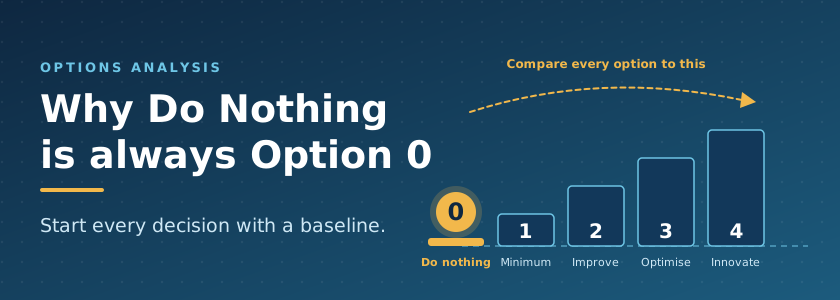
Every options analysis should start at Option 0: Do Nothing. It is the baseline that every other option is measured against, and it is the option most often left out. This is a bit of a longer article, because I have compiled a lot of my thinking to help with… Continue Reading Options analysis: why Do Nothing is always Option 0

How do you choose which technology to invest in? If you lead a technology team, it is the platform and the vendor. If you write software, it is the language and framework. If you are building a career, it is the vendor training and certifications you will spend your evenings… Continue Reading Which technology to use? It’s a gamble

Every legacy system reaches a day when keeping it costs more than changing it. The skill is spotting that day before it arrives, and then choosing the right kind of change. Technical debt behaves like financial debt. A little, well managed, is a sensible trade-off. Left alone, the interest compounds:… Continue Reading Legacy modernisation: retire, retain, replace or evolve

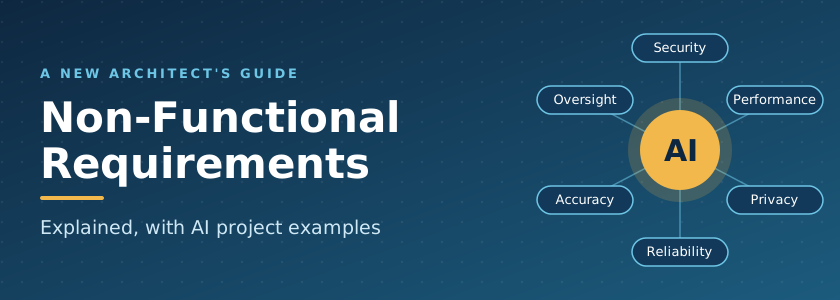
When a business asks for an AI solution, the request almost always describes what it should do. Summarise our emails. Draft our reports. Answer staff questions about policy. What it rarely says is how well, how quickly, how safely and at what cost. That second half has a name: non-functional… Continue Reading Non-functional requirements explained: a new architect’s guide, with an AI project example

Yesterday, there was a world-wide incident that affected computers running CrowdStrike Falcon, where there was a conflict between the vendor’s anti-malware protection and the Windows sensor, resulting in a BSOD and unresponsive computers. This is a major incident that was effectively the effective impact as we were expecting from the… Continue Reading Lessons from the CrowdStrike incident

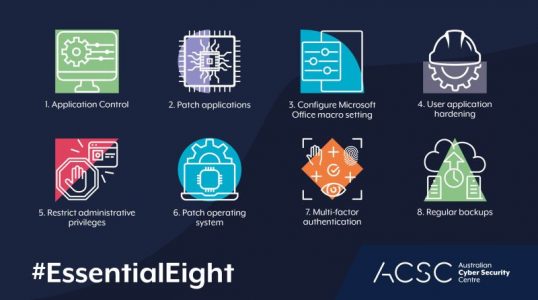
The Australian Cyber Security Centre, working alongside the Australian Signals Directorate (formerly Defence Signals Directorate) created a list of eight essential mitigation strategies to act as a baseline for cybersecurity. These are very much basic and essential measures, and they are an absolute minimum. As a cybersecurity professional, these are… Continue Reading What is wrong with the Essential 8?

In times where you need to run through your BCP drill, it is important to know and understand the reasons why you need to exercise your Business Continuity Plan drill, and where it fits in with the rest of your Disaster Recovery Plan (DRP or DR Plan). Your BCP Drill… Continue Reading The BCP Drill

Often misunderstood, but the concept of “design for failure” is now common in the lexicon of system design and business operations. When you design for failure, it is not because you want to fail – instead it is with the understanding that failures can and do happen, but you want… Continue Reading How to design for failures

People have asked me about my leadership style, and as it is such a common question, I have decided to post it here. People recognise that I am passionate, and I lead through inspiration and desire to achieve the strategic goals. I am a positive and passionate person who motivates… Continue Reading My leadership style

If you have ever been in a tricky situation, you will know that half the battle is knowing what is going on – you can’t fix a problem if you don’t know what has happened. However, root cause analysis needs to wait until after the issue is resolved. Too often,… Continue Reading Half the battle is knowing what is going on

During my MBA, I was taught that the purpose of a business is to make money, and that customers should always be the focus of everything a company does. However, I think that this view is no longer valid and that my role in leading business by caring for staff… Continue Reading Leading business by caring for staff